Discovering Local Fibres at WindWeft Farm
- Joanne Howard
- Mar 23
- 3 min read

Nestled in the heart of the countryside, WindWeft Farm is a hidden gem for those passionate about sustainable textiles and local fibres. This farm not only cultivates a variety of plants but also embraces the art of traditional fibre production. As we explore the world of local fibres, we will uncover the unique processes, the benefits of using local materials, and the vibrant community that surrounds WindWeft Farm.

The Importance of Local Fibres
Local fibres are essential for several reasons. They support sustainable practices, reduce carbon footprints, and promote local economies. By choosing local materials, consumers can contribute to a more sustainable future while enjoying high-quality products.
Environmental Benefits
Reduced Transportation Emissions: Sourcing fibres locally minimizes the need for long-distance transportation, which significantly cuts down on greenhouse gas emissions.
Biodiversity: Local farms often grow a variety of plants, which helps maintain biodiversity in the ecosystem. This diversity can lead to healthier soil and more resilient crops.
Water Conservation: Many local fibre crops are adapted to the local climate, requiring less water than non-native species. This is particularly important in areas facing water scarcity.
Economic Impact
Supporting local fibre production means investing in the community. When consumers purchase products made from local fibres, they help sustain local jobs and keep money within the community. This creates a ripple effect that can lead to further economic development.
The Journey of Local Fibres at WindWeft Farm
At WindWeft Farm, the journey of local fibres begins with careful cultivation. The farm specializes in several types of fibres, including cotton, flax, and wool. Each fibre has its unique growing and processing requirements.
Cotton Cultivation
Cotton is one of the most popular natural fibres in the world. At WindWeft Farm, the cotton plants are grown organically, free from harmful pesticides and chemicals.
Planting: Cotton seeds are sown in well-prepared soil, ensuring they have the right nutrients to thrive.
Harvesting: Once the cotton bolls are ready, they are hand-picked to ensure quality. This method prevents damage to the plants and allows for selective harvesting.
Flax for Linen
Flax is another fibre that WindWeft Farm cultivates. Known for its strength and durability, flax is the source of linen fabric.
Growing: Flax requires a cool climate and well-drained soil. The plants are sown closely together to encourage tall growth.
Processing: After harvesting, the flax plants undergo a process called retting, where they are soaked to separate the fibres from the stalks.
Wool Production
Wool is a staple in the textile industry, and WindWeft Farm raises sheep specifically for this purpose.
Shearing: The sheep are sheared once a year, providing a sustainable source of wool without harming the animals.
Cleaning and Spinning: The wool is cleaned and then spun into yarn, ready for weaving or knitting.
The Community Behind WindWeft Farm
One of the most enriching aspects of WindWeft Farm is its community. The farm hosts workshops, events, and educational programs that bring together people interested in sustainable textiles.
Workshops and Events
WindWeft Farm regularly organizes workshops that cover various topics related to fibre production. Participants can learn about:
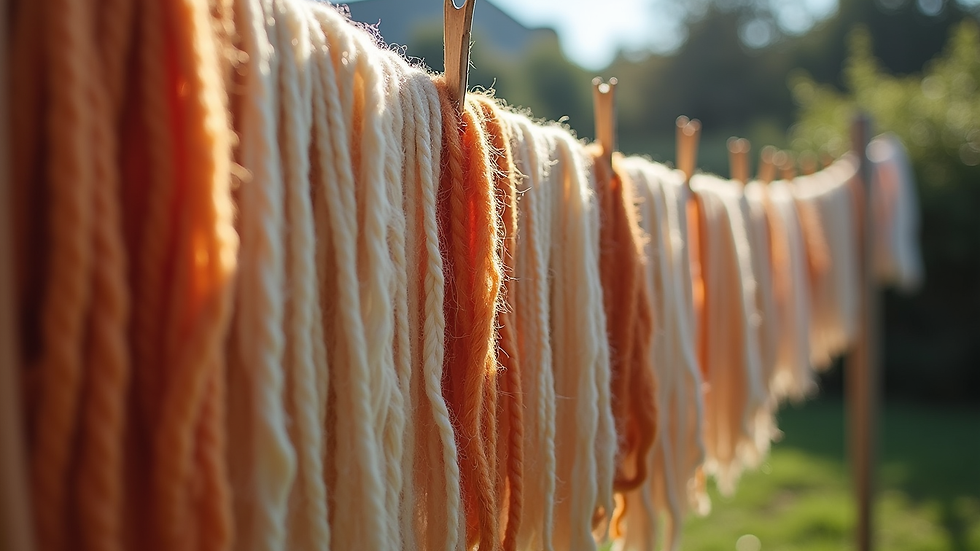
Natural Dyeing: Using plants to create beautiful, eco-friendly dyes for textiles.
Spinning and Weaving: Hands-on experiences that teach the basics of turning raw fibres into finished products.
Sustainable Practices: Discussions on how to incorporate sustainable practices into everyday life.
Collaborations with Local Artisans
The farm collaborates with local artisans who create unique products using the fibres produced on-site. This partnership not only supports local artists but also showcases the versatility of local materials.
The Future of Local Fibres
As awareness of sustainability grows, so does the interest in local fibres. WindWeft Farm is at the forefront of this movement, promoting the benefits of using local materials in textiles.
Innovations in Fibre Production
The farm is exploring innovative methods to enhance fibre production while maintaining sustainable practices. This includes:
Research on Climate-Resilient Crops: Developing new varieties of fibres that can withstand changing climate conditions.
Sustainable Processing Techniques: Implementing eco-friendly methods for processing fibres that reduce waste and energy consumption.
Building a Stronger Community
WindWeft Farm aims to strengthen its community ties by expanding its educational programs and outreach efforts. By engaging more people in the world of local fibres, the farm hopes to inspire a new generation of textile enthusiasts.
Conclusion
WindWeft Farm is more than just a place to grow fibres; it is a hub of sustainability, community, and creativity. By choosing local fibres, consumers can make a positive impact on the environment and support local economies. As we continue to explore the world of textiles, let us remember the importance of local materials and the stories they tell.
The next time you consider purchasing textiles, think about the journey of those fibres and the community behind them. Embrace the beauty of local fibres and support sustainable practices for a better future.

Comments