Small Batch Fibre Preparation: Techniques and Benefits
- Joanne Howard
- Mar 23
- 4 min read

Fibre preparation is an essential step in the textile and crafting world, especially for those who appreciate the art of working with natural materials. Small batch fibre preparation allows artisans and hobbyists to create unique textiles with a personal touch. This blog post will explore various techniques for small batch fibre preparation and the benefits that come with it.
Understanding Small Batch Fibre Preparation
Small batch fibre preparation refers to the process of preparing fibres in limited quantities, allowing for greater control over the quality and characteristics of the final product. This approach is particularly popular among hand spinners, weavers, and dyers who seek to create bespoke textiles.
Why Choose Small Batch Preparation?
Quality Control: Working in smaller quantities allows for meticulous attention to detail, ensuring that each fibre is prepared to the highest standards.
Customization: Artisans can experiment with different techniques and materials, resulting in unique textures and colors.
Sustainability: Small batch preparation often involves using local or ethically sourced materials, reducing the environmental impact.
Connection to Craft: Engaging in small batch preparation fosters a deeper connection to the materials and the craft itself.
Techniques for Small Batch Fibre Preparation
1. Washing and Scouring
Before any fibre can be spun or woven, it must be cleaned. Washing and scouring remove dirt, grease, and any residual chemicals from the fibres.
Materials Needed:
- Warm water
- Mild detergent (preferably biodegradable)
- Large basin or sink
Process:
1. Fill a basin with warm water and add a small amount of detergent.
2. Submerge the fibres and gently agitate them to loosen dirt.
3. Rinse thoroughly with clean water until no suds remain.
4. Lay the fibres flat to dry, avoiding direct sunlight to prevent fading.
2. Carding
Carding is the process of detangling and aligning fibres to prepare them for spinning. This technique is crucial for achieving a smooth and consistent yarn.
Materials Needed:
- Hand carders or drum carder
- Clean, dry fibres
Process:
1. Take a small amount of washed and dried fibre.
2. Use the hand carders to pull the fibres apart and align them.
3. Once carded, the fibres can be rolled into a batt or rolag for spinning.
3. Dyeing
Dyeing fibres allows for endless creativity and personalization. Small batch dyeing can be done using natural or synthetic dyes.
Materials Needed:
- Dye (natural or synthetic)
- Mordant (if using natural dyes)
- Large pot for dyeing
- Water
Process:
1. Prepare the dye according to the manufacturer's instructions or the natural dyeing method.
2. If using natural dyes, pre-mordant the fibres to ensure color adherence.
3. Submerge the fibres in the dye bath and simmer for the recommended time.
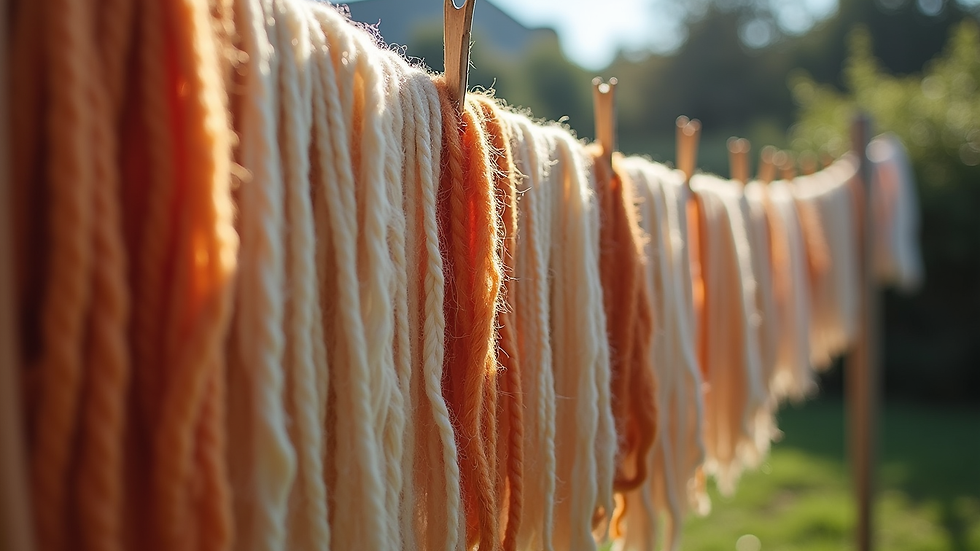
4. Rinse the dyed fibres until the water runs clear and hang to dry.
4. Spinning
Spinning is the process of twisting fibres together to create yarn. This can be done using a spinning wheel or a spindle.
Materials Needed:
- Spinning wheel or spindle
- Carded fibres
Process:
1. Take a small amount of carded fibre and attach it to the spindle or wheel.
2. Begin to spin, applying tension to create a consistent thickness.
3. Continue spinning until the desired length is achieved, then wind the yarn onto a bobbin or skein.
5. Finishing
Finishing techniques enhance the texture and appearance of the yarn or fabric. This can include washing, setting the twist, or applying a softener.
Materials Needed:
- Warm water
- Mild detergent
- Softener (optional)
Process:
1. Wash the finished yarn or fabric in warm water with a mild detergent.
2. Rinse thoroughly and gently squeeze out excess water.
3. Lay flat to dry, shaping as necessary.
Benefits of Small Batch Fibre Preparation
Enhanced Creativity
Small batch fibre preparation encourages experimentation. Artisans can try new techniques, colors, and textures without the pressure of large-scale production. This freedom often leads to innovative designs and unique pieces.
Stronger Community Connections
Engaging in small batch preparation often fosters connections within local crafting communities. Workshops, classes, and fiber festivals provide opportunities for artisans to share techniques, ideas, and resources.
Improved Skill Development
Working with smaller quantities allows for focused practice. Artisans can refine their skills in washing, carding, dyeing, and spinning, leading to improved craftsmanship over time.
Sustainable Practices
Small batch preparation often aligns with sustainable practices. Many artisans prioritize using local, organic, or recycled materials, reducing their environmental footprint. This commitment to sustainability resonates with consumers who value ethical production.
Personal Satisfaction
There is a unique satisfaction that comes from creating something by hand. Small batch fibre preparation allows artisans to take pride in their work, knowing that each piece is crafted with care and attention.
Conclusion
Small batch fibre preparation is a rewarding practice that offers numerous benefits, from enhanced creativity to sustainable practices. By mastering techniques such as washing, carding, dyeing, spinning, and finishing, artisans can create unique textiles that reflect their personal style and values. Whether you are a seasoned crafter or just starting, embracing small batch fibre preparation can deepen your connection to the craft and the materials you work with.
So, gather your fibres, experiment with new techniques, and enjoy the journey of creating something truly special.


Comments